
Market Signal Architecture
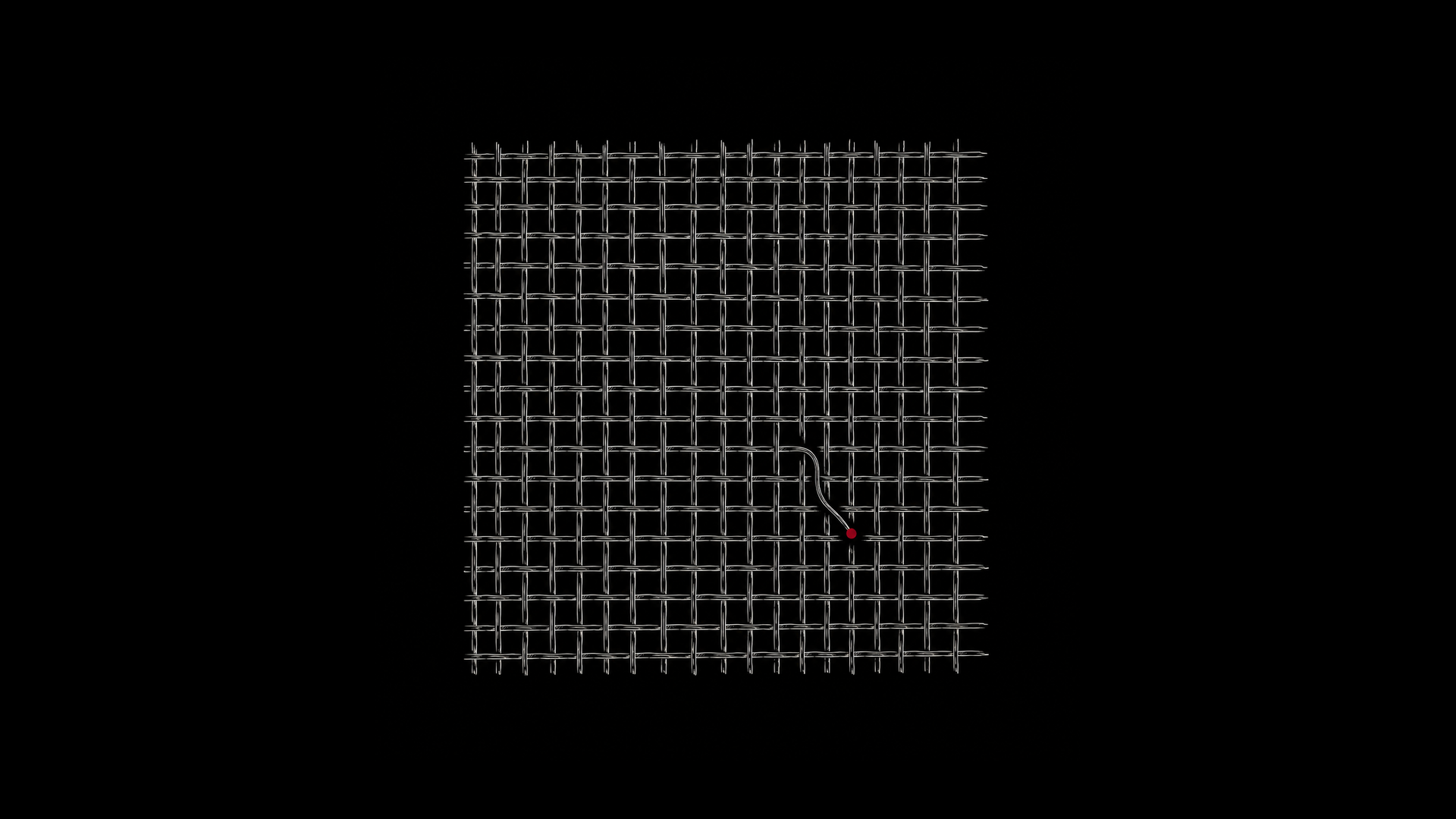
For years, I kept getting invited into businesses after growth had already slowed, after positioning had weakened, after the evidence was impossible to miss. By the time marketing entered the conversation, the market had usually finished having its own. Marketing has this funny habit of getting invited once everyone else has already had the interesting argument.
After seeing that happen often enough, I realised I was becoming less interested in fixing what had already broken and more interested in the part that came before it. What does a business look like just before everyone agrees there's a problem? More importantly, does the market start whispering long before the numbers start shouting?
That question has followed me around for years.
Not because I think markets are predictable. If they were, we'd all be retired on an island somewhere instead of sitting through strategy reviews. But I have noticed something that I can't seem to ignore. Sales conversations start drifting. Customers describe the business differently from the way the business describes itself. Competitors begin responding to a version of the company leadership hasn't quite recognised yet. None of those things look particularly dramatic in isolation. Looking back, though, they're often the first clues that something has already started changing.
Maybe strategy spends too much time waiting for proof and not enough time paying attention to signals.
That thought eventually became Market Signal Architecture. It's also the reason I founded ARRA.
I should probably clarify something here. I'm not trying to invent the next marketing framework with a memorable acronym and a deck full of triangles. I think we've all seen enough of those. If this ever turns into something useful, I hope it's much simpler than that. I'd love it to become a way of helping leadership teams notice meaningful change a little earlier, while they still have options rather than obligations.
That probably sounds more confident than I actually feel.
The truth is, I'm still figuring it out.
Some weeks I feel like the pieces are starting to fit together. Other weeks I wonder whether I'm just very good at spotting patterns after they've already happened. I've lost count of the number of books I've bought because one chapter mentioned something about decision-making or behavioural psychology that felt vaguely connected. My notebook is full of half-finished diagrams and questions that made perfect sense when I wrote them down and much less sense the next morning.
Which, I suspect, is what research actually looks like.
Right now, this feels less like building a framework and more like collecting evidence. Maybe that's how most useful ideas begin. You keep noticing the same thing from different angles until it becomes difficult to dismiss as coincidence.
I don't have a clean answer yet.
Some days I think I'm getting close to something genuinely useful. Other days I think I'm still just asking a good question and calling it research.
Both are probably true.
OPEN LOOPS
This one isn’t finished yet.
NEXT IN OPEN LOOPS
Does a Business Actually Need to Be Loved, or Just Trusted?
Some questions are more useful before you answer them.
