
What Federer's Retirement Speech Taught Me About Knowing When to Reposition
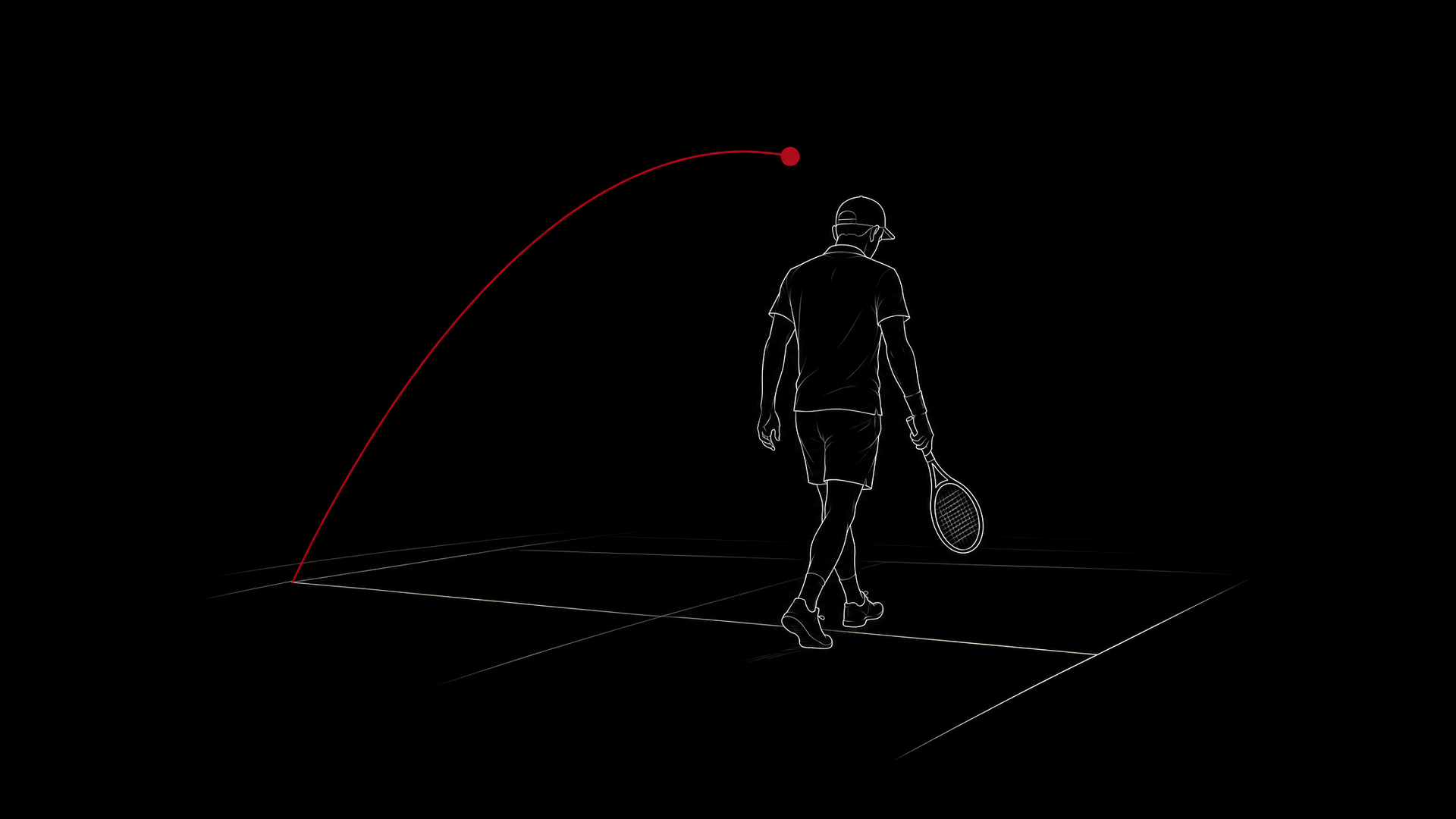
I watched Roger Federer's retirement speech the way most people did, expecting a highlight reel of trophies and getting something closer to a eulogy for a version of himself.
What stayed with me wasn't the tears. It was the timing.
He didn't leave when he'd lost his last match. He didn't leave when his ranking finally slipped somewhere it couldn't recover. He left while he could still see, more clearly than the commentators, the sponsors or the fans in the stands, that the game had already asked him a question he'd stopped being able to answer the way he used to.
Most businesses don't do that.
We negotiate with reality for a while first.
We wait for the scoreboard to force the decision - a quarter of missed targets, a competitor's product launch, a board member finally saying out loud what everyone has been quietly noticing. By the time the evidence is undeniable, the decision isn't really a decision anymore. We're mostly catching up and calling it strategy.
I think about this every time I walk into a business that's asked me to "refresh the brand."
Almost none of them are actually asking for a refresh.
They're asking someone to notice, on their behalf, that the story they've been telling has quietly stopped matching what they've become. More than anything, they're looking for permission to admit it before the market makes the decision for them.
Funny thing is, the logo is rarely the interesting part of that conversation.
The interesting part is what changed while nobody was looking.
The hardest, rarest skill I've seen in a leadership team isn't strategic thinking. It's recognising that the business has quietly outgrown the story it's still telling. Federer left at the top, not the bottom.
Most businesses wait until the bottom announces itself.
I don't have a clean formula for knowing when that moment arrives. I'm not sure Federer did either. He simply trusted himself enough to recognise the question before anyone else answered it for him.
WORTH STEALING
Timing is part of strategy.
NEXT IN WORTH STEALING
What Shutter Island Gets Right About Businesses That Lie to Themselves
A psychological thriller. A very familiar business problem.
